The Computing Museum Road Trip: Bletchley Park to Helmond
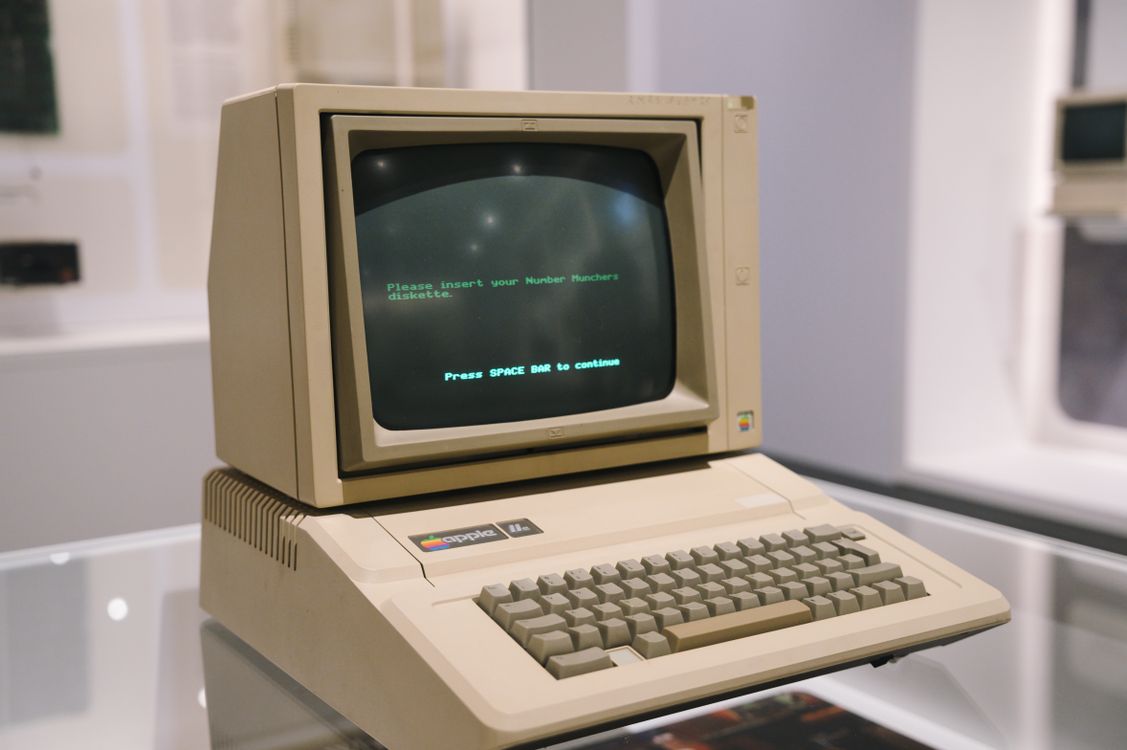
Cover image by Ruben Boekeloo via Pexels
The Harwell Dekatron thinks slowly enough to watch. Orange digits crawl along its counting tubes in Block H at Bletchley Park, a machine first switched on in 1951 working through a sum your phone would have finished before you looked up, and the room goes quiet for it. It is the first exhibit on a route that links five computer history museums in Europe by rail, four countries and nine days from that block in Buckinghamshire to a Dutch town where every machine in the building is plugged in.
The route, end to end
Bletchley Park and The National Museum of Computing sit on the same estate and sell separate tickets, which is the most common way to get this trip wrong before it starts. From there the line runs east to Helmond for the Home Computer Museum. Then Paderborn, for the Heinz Nixdorf MuseumsForum. It ends at the Musée Bolo, inside the EPFL campus in Lausanne.
Any one of them will show you machines. The route shows you the chain, in order: purpose-built codebreaking hardware, then the stored-program machine, then the mainframe as something a company could buy, then the micro on a teenager's desk. If you have ever written an emulator, you already know the distance between a service manual and the object it describes. Nine days of trains puts that distance back into your legs.
At three of the stops the machines are switched on and you are allowed to use them.
Block H, Bletchley Park
Here is what nobody warns you about before you arrive. The Colossus in Block H is a rebuild, put together by volunteers working from a handful of wartime photographs and surviving circuit fragments, because the originals were broken up on official orders and the drawings burned. The Turing-Welchman Bombe across the estate is a rebuild too, assembled over more than a decade by a team that had to re-derive parts of a design nobody had kept. So the two most famous objects on this route are among the newest things in the room. The oldest original working digital computer on the site is the Dekatron, a plodding decimal machine that spent its retirement teaching students in Wolverhampton and then sitting in storage, unglamorous enough that nobody ever thought to break it up. Secrecy destroyed the icons and obscurity saved the survivor.
TNMOC is the stop most readers here will care about, and it is not covered by a Bletchley Park ticket. Beyond the Colossus gallery there are rooms of mainframes and minis, and floors of home micros with the keyboards live. Allow a day for the pair of them, then accept that it will be two.
Both entrances are a few minutes on foot from Bletchley station, roughly forty minutes out of London Euston.
Crossing to the Netherlands
This is the leg where a dead phone stops being an inconvenience. Eurostar runs direct from St Pancras to Amsterdam in around four hours, and Helmond is another ninety minutes beyond that through Eindhoven. Platform changes get announced late and in Dutch. Ticket machines and journey planners assume a live connection, and even an offline map wants one download before it is worth anything. An eSIM in the Netherlands runs $2.36 a day with HelloRoam and installs by QR code at home, so the line is already working when the doors open.
Helmond, where everything is switched on
Almost every machine in the Home Computer Museum is powered up and yours to use, which is the museum's whole argument and not a concession to visitors. Commodore, Atari, MSX, Amiga, early PCs: the shelf you emulated as a teenager, running on the metal the software was written for.
It also operates as a workplace, training and employing people who have struggled to find work elsewhere, largely on restoration and repair, which is why so much of the collection still runs. Helmond sits a short hop east of Eindhoven, so it works as a day trip if you would rather sleep in a bigger town.
Paderborn, five thousand years in one building
The Heinz Nixdorf MuseumsForum calls itself the largest computer museum in the world, and on floor area the claim holds up. It opens with cuneiform and mechanical calculators and takes its time reaching anything you would recognise as a computer, which is the point: the subject here is five millennia of information technology, and the last fifty years are the final act. It occupies Nixdorf's old headquarters, so the building is an exhibit too. Helmond to Paderborn is the ugly leg, five or six hours with two or three changes, usually through Venlo and the Ruhr.
Start early.
Lausanne, the last stop
Musée Bolo grew out of one private collection and now holds thousands of machines on the EPFL campus. It is dense and carefully labelled, and it is where the European micros that never crossed the Atlantic get proper shelf space. Paderborn to Lausanne is a full day on the rails, around eight hours via Frankfurt and Basel.
Break it with a night in Basel unless you enjoy suffering.
What the connection costs
Four countries, four entry prices, taken from HelloRoam's travel data index for August 2026:
| Country | Museum stop | Plan type | Price |
|---|---|---|---|
| United Kingdom | Bletchley Park and TNMOC | Daily unlimited | $2.68 per day |
| Netherlands | Home Computer Museum, Helmond | Daily unlimited | $2.36 per day |
| Germany | Heinz Nixdorf MuseumsForum, Paderborn | Daily unlimited | $2.36 per day |
| Switzerland | Musée Bolo, Lausanne | 100MB starter pack, bought once | $0.60 one-off, not a day rate |
Read the last column with care. The first three rows are per-day rates and the Swiss row is a single 100MB pack bought once, so the four numbers are not four versions of the same thing. All were checked on 1 August 2026, and none of them are fixed.
Three days apiece in the three countries with day rates puts the data bill for the nine days at $22.20. The Swiss pack adds sixty cents on top.
Stretching the British end
Britain is the easiest end to extend. London's Science Museum keeps a permanent computing gallery forty minutes down the line from Bletchley, and Cambridge holds the Centre for Computing History, another collection built around machines you are allowed to switch on. Add either and the UK becomes your longest single stretch, which is the point at which an eSIM UK plan at $2.68 a day matters more than the Dutch one.
Budgeting the rest
Admissions, five rail legs and six to eight nights are the real line items, and rail is the volatile one. Entry to each museum lands in the ordinary range for a mid-sized European collection, but all of them move their prices and closing days, so check each site the week you fix your dates. Price advance point-to-point fares against a continuous rail pass before you book, because which one wins flips with how many long legs you take. Eurostar rewards booking months out.
Connectivity is the smallest line on the sheet and the one people get wrong most often, usually by landing and letting a home carrier meter the whole trip. An eSIM is a digital plan you install before you leave. HelloRoam is a travel eSIM platform covering 185 countries, and its plans carry a 180-day money-back guarantee.
Questions
Which eSIM should I buy for the Netherlands leg?
A Dutch day of unlimited data runs $2.36 on HelloRoam, the rate showing on 1 August 2026. It runs on local Dutch networks, part of a platform covering 185 countries across 212 or more networks. You install it by QR code before you fly, so the Helmond leg is covered from the moment you clear Amsterdam.
Do I need a separate plan for each country on this route?
On a route shaped like this, per-country plans usually work out better than one regional plan. You are not passing through: you sleep several nights in each place, and the daily rates in the three countries with day plans sit between $2.36 and $2.68. Switzerland is priced on a different basis, as a one-off pack rather than a day rate, so it does not slot into the same comparison. If your itinerary turns into short hops of a night or two, the arithmetic can flip and a regional plan looks sensible.
How many days should I allow?
Nine is comfortable. Two at Bletchley, one each in Helmond, Paderborn and Lausanne, and the rest swallowed by trains. Eight works if you treat the Lausanne day as pure transit.
Is the $0.60 Swiss starter pack enough for a day in Lausanne?
It covers light use only. A one-off 100MB allowance handles messages and a few map lookups, and it will not survive live navigation plus ticket booking. Buy a daily or multi-day Swiss plan if Lausanne is a real stop rather than a change of train.
Before you book
Rail times above are approximate and shift with the service and the season. Every museum on this list changes its opening days and its ticketing, and the Bletchley estate is two museums with two tickets, so check each one's own site directly before you plan a day around it.